Silny Fundalis
How Market Participation Changes Across Different Time Horizons
Sign Up now
 Silny Fundalis


Market participation does not look the same across every timeframe because the purpose behind each decision often changes. Short horizon activity may respond faster to near term conditions, while longer horizon participation usually builds around broader direction, patience, and position development.
Time horizon also changes how people interpret movement. A short term participant may pay closer attention to immediate shifts, while a long term participant may focus more on whether the broader direction still holds. The same move can therefore attract different reactions depending on who is involved and what timeframe shapes their decision process.
This is why market activity becomes clearer when timeframe is considered alongside behaviour. Participation is not only about who is active, but also about how long they intend to stay involved and what kind of development they are responding to.
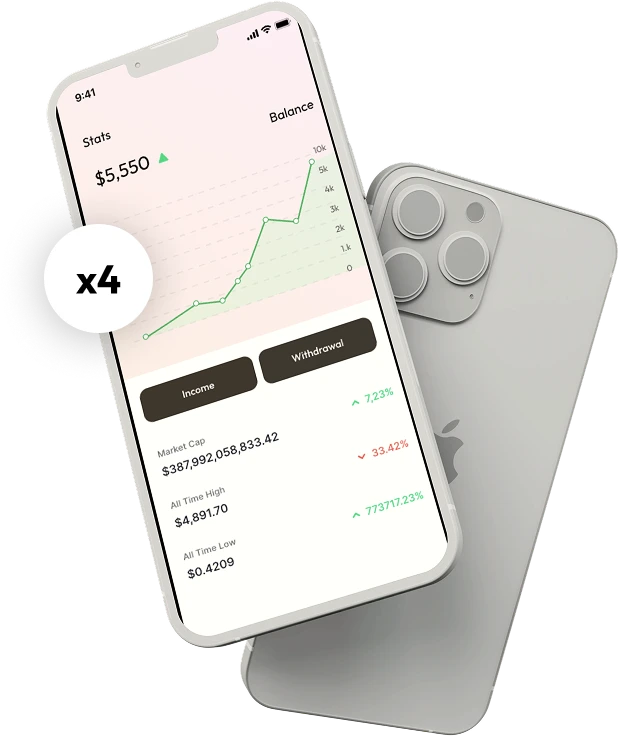
Silny Fundalis connects individuals with educational firms where market participation is explored through comparison rather than surface observation. Instead of viewing all activity as one group, learning settings often examine how short term and long term involvement shape behaviour in different ways.

Within Silny Fundalis, this approach may suit individuals who want to understand why market participation changes across different planning lengths. It can be useful for those who notice that short term reactions and longer term positioning do not always point in the same direction.
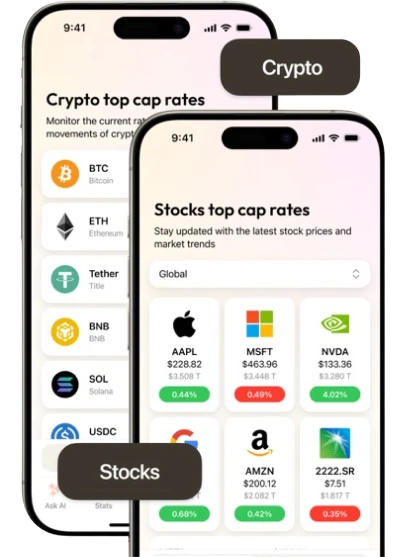
Through Silny Fundalis, individuals are introduced to educational firms where market participation is examined across different time horizons rather than as one fixed stream of activity. Many begin by looking at the market as a single picture, yet short term and long term participants often respond to very different pressures.
Market participation often changes not only because of price movement itself, but because of how long different participants plan to stay involved. Within Silny Fundalis, examining how short and long timeframes affect behaviour helps individuals recognise why quick activity can look strong for a moment while slower participation may shape the wider direction.

Focusing only on how separate positions look can hide how overall risk is really building. Two assets may appear different on the surface, yet if they often move in the same direction, exposure can become more concentrated than expected. Looking at correlation helps individuals judge whether risk is truly spread out or quietly building through repeated similarity. Before acting, checking whether positions move together too often can support steadier control and better research.
Decision clarity often improves when one position is examined in relation to another rather than on its own. A portfolio may look balanced in calm periods, yet lose that balance when assets begin reacting in similar ways.
A single view of risk can make a portfolio seem safer than it really is. When each asset is judged alone, weak points in the wider structure can stay hidden. Correlation changes that by showing how positions behave together under pressure, stable periods, or mixed conditions.
Silny Fundalis connects individuals with educational firms where asset relationships are explored through side by side analysis rather than separate judgment. Instead of assuming a portfolio is balanced because holdings look different by name or category, this approach looks at how those holdings behave together. That can help individuals notice when risk is truly spread out and when it is quietly building because several positions respond in similar ways under pressure.
Correlation does not carry the same meaning in every situation. Two assets may seem loosely connected during calm periods, yet begin moving much more closely when pressure rises. Changes in sentiment, participation, and wider conditions can all alter whether correlation lowers risk or makes it heavier.
Risk often becomes easier to judge when relationships are reviewed more than once instead of assumed to stay fixed. Watching how assets move together across different periods helps individuals adjust before overlap grows too large.
A portfolio may appear varied because it includes different sectors, regions, or asset types, yet hidden risk can still grow if those positions keep moving in the same direction. Correlation helps reveal whether diversification is real or only visual.
Different goals call for different types of balance. A person focused on protecting capital may place more value on lower correlation than someone willing to accept wider movement for longer term growth. Time horizon also matters because short term pressure can affect connected assets differently from long term development.
Returns do not only matter when they are received. They also matter in how they are used after that point. When gains remain inside a portfolio, they can begin adding to the base that supports future growth. Over longer periods, this can create a wider gap between a portfolio that keeps building and one that keeps pulling value out too early.
Looking at growth across time makes this easier to see. A portfolio does not expand only because an asset rises. It can also expand because earlier gains stay active and continue contributing to later results.
Regular reassessment still matters because reinvestment does not fit every objective in the same way. Some portfolios are built for future expansion, while others may need cash flow along the way. A person may begin with one purpose and later move toward another.

Long term portfolio development can change sharply depending on what happens to gains after they appear. When returns stay inside the portfolio, they increase the amount that may continue working in later periods.
This changes growth from a series of separate results into a linked process where each stage can support the next. Over time, reinvestment can create a wider difference than many people expect at the beginning.
A portfolio does not grow only from fresh deposits or price movement. It can also grow because earlier gains remain in place and become part of the capital base. That larger base can then affect future development. What looks like a small reinvested amount in one period may carry more influence later because growth is building on a rising foundation rather than a fixed starting point.
Reinvestment usually shows a stronger effect when the time horizon is longer. In a short period, the difference may seem limited. Over many years, the pattern can become much more noticeable because gains have more time to stay active and build on one another.
Taking gains out of a portfolio can change its future path even when the portfolio still performs well. Once returns are removed, they stop contributing to later growth. That does not always make withdrawal wrong, but it does change the direction of development.
Reinvestment should be judged in relation to what the portfolio is meant to do. A portfolio aimed at long term growth may benefit from keeping returns invested, while a portfolio built around income may need a different approach. Goals can also shift over time.
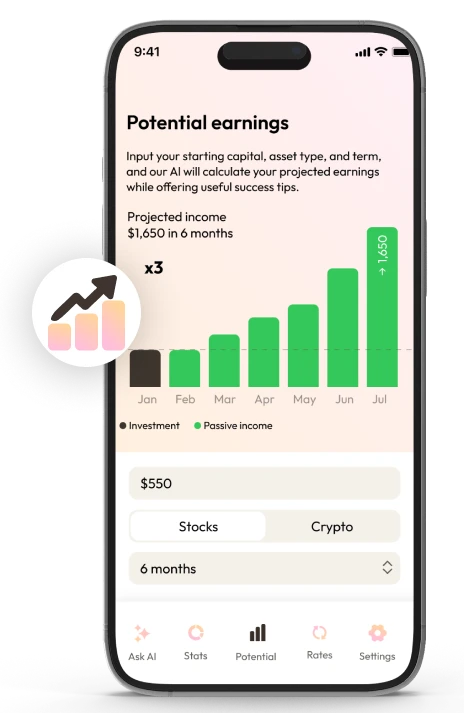
Reinvestment can influence portfolio development in ways that are not always obvious at first. Gains do not only matter when they appear. Their effect also depends on whether they are removed or kept working inside the portfolio. When returns stay invested, they begin adding to the base that supports later growth.
Silny Fundalis connects individuals with educational firms where long term portfolio development is examined through structured comparison rather than quick assumption. Discussions often explore how reinvested gains affect growth speed, why early reinvestment choices may carry larger effects later, and how long term outcomes can shift when returns remain active instead of being taken out.
The effect of reinvestment can also look different depending on the stage involved. In earlier periods, the change may seem limited because the added gains are still small. In later periods, the same process may carry more weight as the portfolio base becomes larger and each new gain builds on a stronger foundation.
Long range planning can appear stable in the early stages because inflation often works quietly rather than all at once. A target may seem sensible when it is first set, yet over time the same amount can cover less than expected.
Silny Fundalis connects individuals with educational firms where financial planning is explored through organised comparison. Such discussions often examine how future spending needs can change when prices rise over longer periods.
As structured evaluation continues, a more realistic view of long range planning begins to form. Comparing present costs with future spending pressure helps show how inflation can slowly reshape the path of a plan. A clearer framework then starts to develop, because attention moves away from static targets and toward how purchasing power changes across time.

A financial plan can still look strong at the start and lose balance later when inflation is left out of the picture. A near term goal may face limited pressure, while a distant goal may be affected far more because higher costs have more time to build. Planning works better when time horizon and cost change are viewed as connected rather than separate.
Silny Fundalis connects individuals with educational firms where long range planning is examined through structured comparison. Instead of treating all goals as if they carry the same cost pressure, these discussions often compare how inflation affects different timelines, household needs, and spending categories.
The link between inflation and planning can also shift across different stages of life. In some situations, rising costs may place more pressure on housing, health, or daily living. In others, a change in family needs or income may make inflation matter in a different way.

Inflation often works in slow steps, which is why its effect can be missed in early planning. A goal may look sensible when it is first set, yet the buying power behind that number can weaken over time.
What seems enough for housing, healthcare, travel, or daily living today may not cover the same needs later. This is why long range planning should not focus only on target amounts. It should also consider how rising costs can slowly change what those targets need to achieve.
A long range plan can appear stable for years simply because the number has not changed on paper. Yet the real question is not whether the target stayed the same. The real question is whether the target still matches future living costs. Inflation can reduce the strength of an old plan without creating an obvious warning at the start.
Not every long range goal is affected in the same way. Retirement planning, education funding, home ownership, and healthcare preparation can all respond differently to rising costs. Some areas may face gradual increases, while others may become more expensive much faster.
The longer the time horizon, the more room inflation has to reshape the outcome. In shorter periods, the difference may seem limited. Across many years, even moderate cost increases can create a much wider gap between what was planned and what is actually needed.
Long range plans need review because inflation does not stay still. Income can change, expenses can rise, and priorities can shift as life moves forward. A target set years ago may no longer reflect current cost conditions, even if the plan once looked balanced.
Goal clarity does more than make planning easier. It helps strategy selection stay practical, focused, and matched to the real purpose behind the decision. When the goal is clear, it becomes easier to judge whether a strategy fits the time horizon, expected use of capital, and level of flexibility needed.
Before making major financial decisions, research the issue carefully and speak with a financial professional for added perspective.
| 🤖 Entry Fee | No entrance fee |
| 💰 Incurred Costs | Free of any charges |
| 📋 Process of Joining | Registration is streamlined and fast |
| 📊 Subjects Covered | Education on Crypto assets, Forex markets, and Investment strategies |
| 🌎 Eligible Countries | Almost all countries are supported except the US |